Structure and geometry
The intended shape, location and relationship of airframe parts.
Reference Room · Plans, Manuals & Technical Evidence
Every restoration and build eventually reaches the same questions: what did the designer intend, what was physically built, and what does the evidence support? The Plans Room brings those answers together.
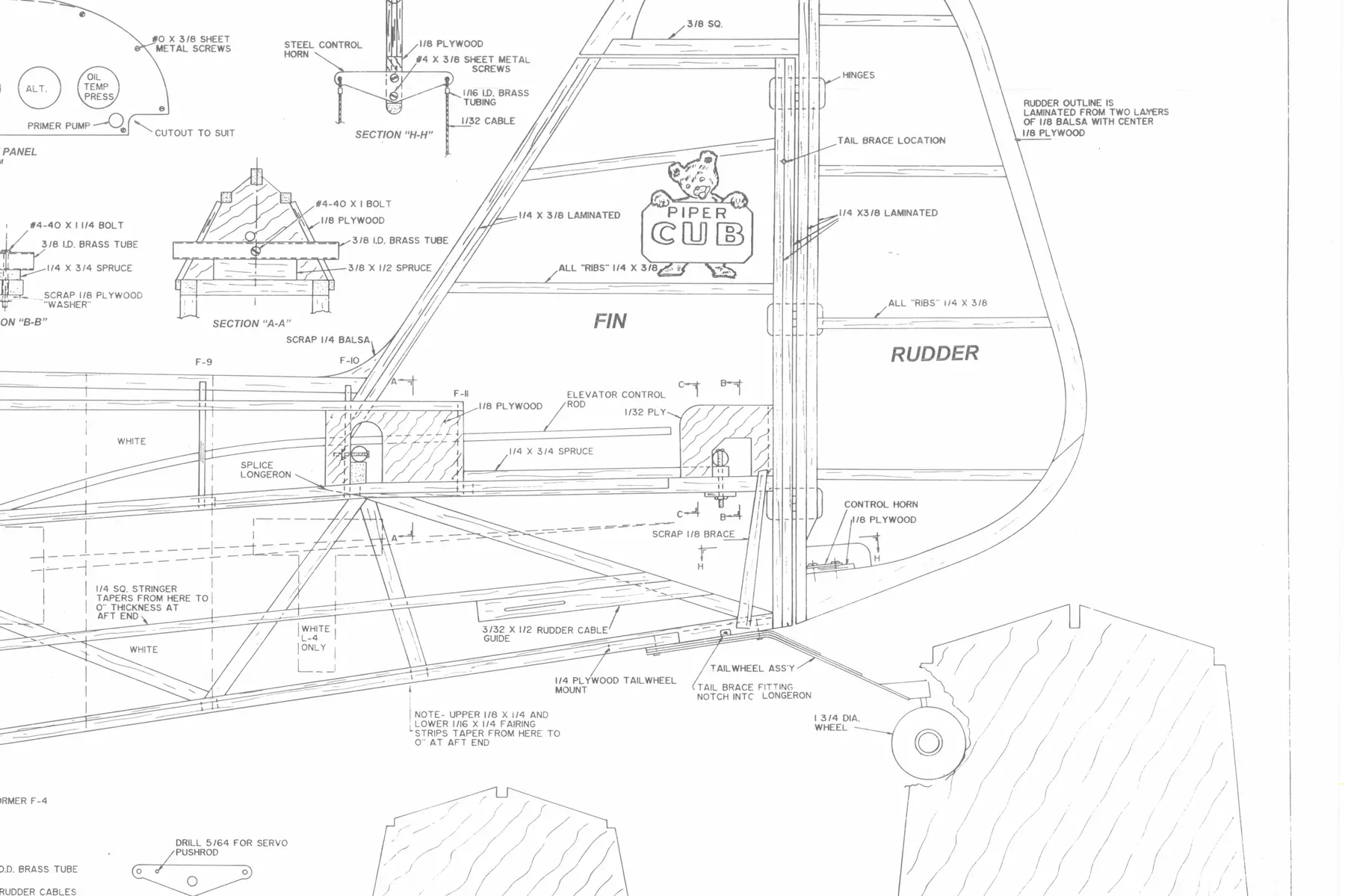
Drawing beside structure
A drawing preserves intended geometry and construction relationships. In the hangar it becomes a working reference: something to compare, question and test against the airplane in front of us.
Balsa USA reference plan used in the build and restoration.
Complete and current plans should be purchased from Balsa USA.
Reference meets physical evidence
A plan tells us what the designer intended. The aircraft tells us what was actually built, modified, repaired or changed over time. Comparing the two is one of the most useful tools in the hangar.
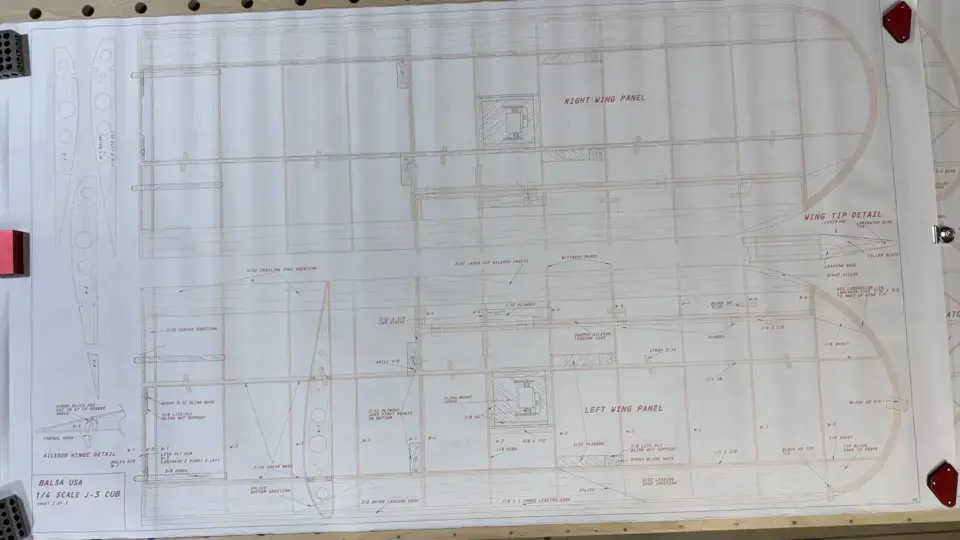
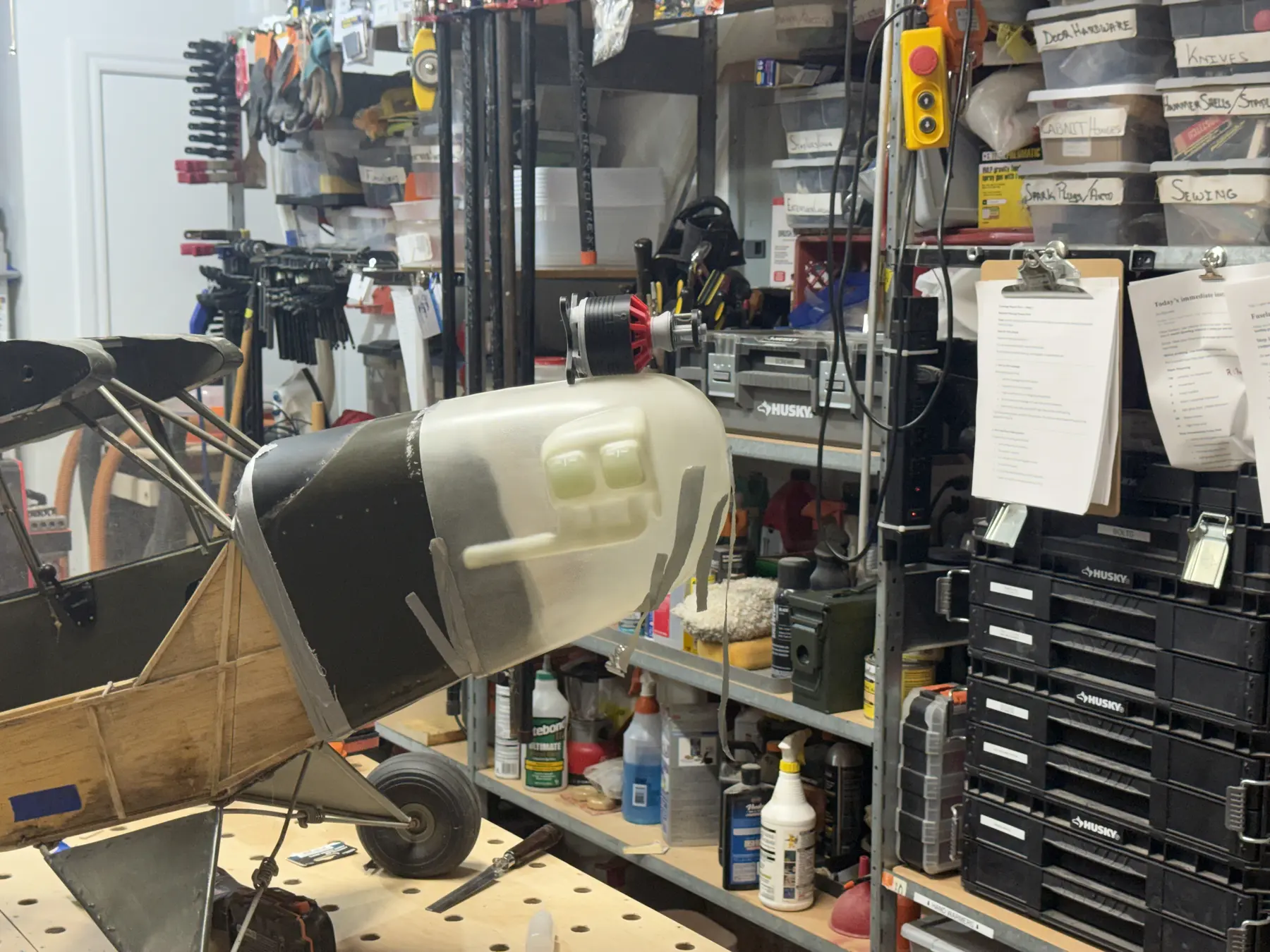
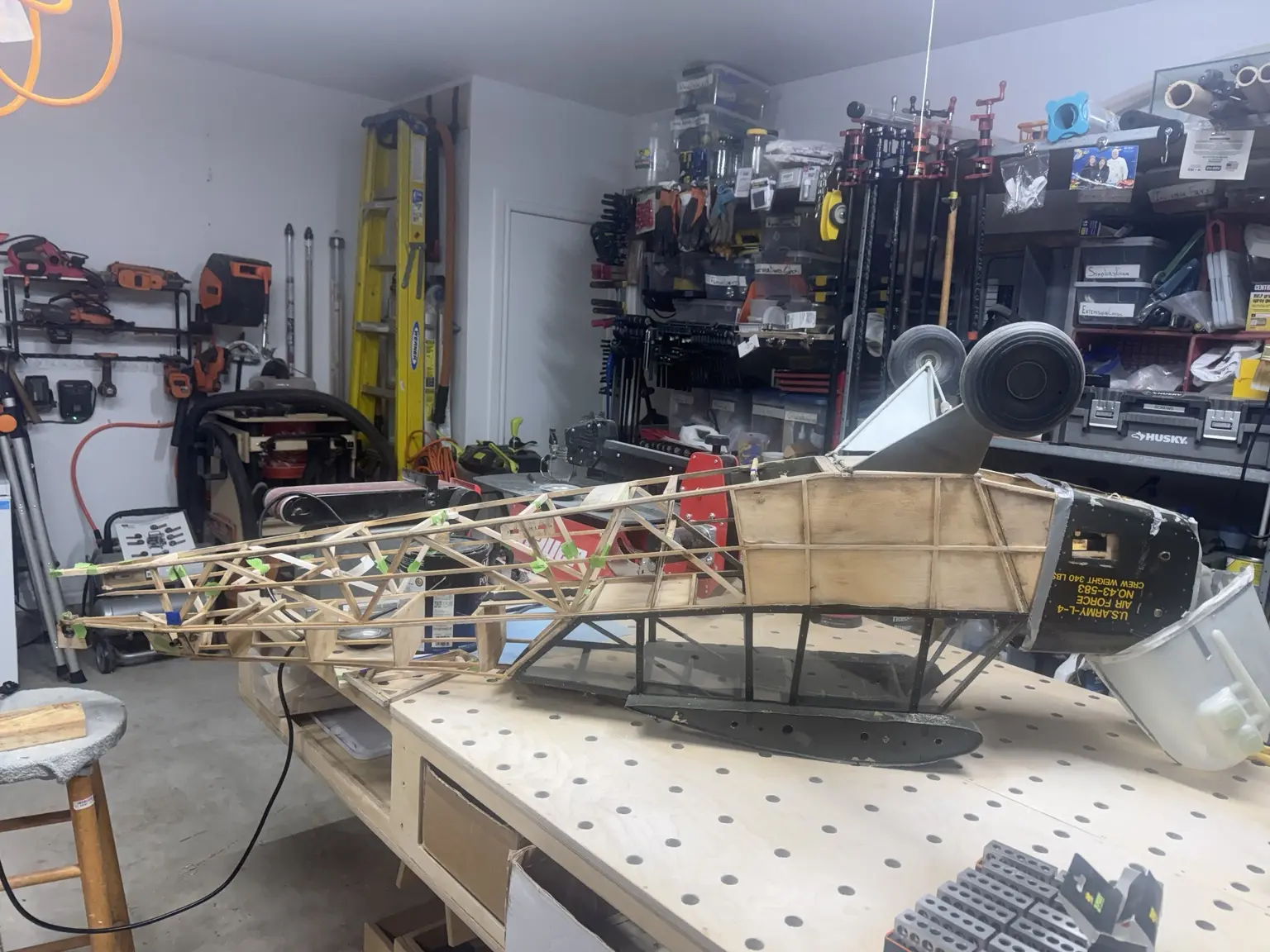
Real-world comparison — BUSA 1/3 L-4 Grasshopper restoration
The L-4 is the example here, but the method applies throughout Jon's Hangar: start with the reference, examine the real structure, then decide what the evidence supports.
Forensic use of the plans
Purchasing the Balsa USA plans helped confirm the L-4's kit lineage and establish a known starting point for damaged, missing and modified structure.
The plans did not tell us exactly what to do. They helped establish design intent, fuselage and cabin geometry, tail relationships, likely construction sequence and places where the original builder may have departed from the kit.
The plans tell us what should be there. The airframe tells us what happened.A restoration begins when we learn to listen to both.
Plans and manuals establish the baseline. The airframe supplies the evidence. Glue joints, cuts, patches, alignment and builder decisions all become part of the conversation.

Rabbit Hole · In development
Scale, line types, dimensions, multiple views, notes, ambiguity, working copies and protecting the originals—there is far more on a plan than most beginners realize.
These deeper stories are available now. Each card is a direct link.
Design & ConceptsThe Rabbit Hole of Building the Rabbit HoleSee how the photographic hero and official Rabbit Hole mark became one coordinated visual system.Read the Rabbit HoleL-4 EngineeringMotor, ESC & Propeller SizingFollow the plan-derived propeller envelope into power, voltage, motor, current, ESC and battery decisions.Follow the engineeringL-4 EngineeringChoosing the L-4 Electric Power SystemCompare the BadAss and Scorpion finalists under matched eCalc conditions, including battery weight and thermal margin.Read the comparisonPractical questions
Digitizing the plans
Architectural reprographics and blueprint-scanning businesses already handle drawings this size. Ask for wide-format scanning, no trimming or folding, and high-resolution digital delivery.
Jon's Hangar example: ARC Document Solutions in Oklahoma City scanned the five-sheet BUSA 1/3-scale Cub plan set on June 25, 2026. The five color scans cost $16.20; with flash-drive and email delivery, the total was $23.10.
Scan once. Reprint only what you damage.
The plan should survive the airplane.
The scan is protection for plans already purchased—not a substitute for buying them. Digital copies remain personal working references and are not ours to redistribute.
The wider reference shelf
The intended shape, location and relationship of airframe parts.
How a manufacturer expects a component to be installed and used.
The requirements and boundaries that guide selection and fit.
Measurements, photographs, tests, notes and documented decisions.
Good builds are rarely guided by one document. The reference library grows with the airplane.
Across the hangar
The Plans Room is not where the project ends. It is where better work begins.




You have learned how we use the references. Now go see what those references caused us to do.
Developing concept · traceability
A restoration produces measurements, photographs, wiring records, CAD files, specifications, research and decisions. The developing concept is to let a small identity marker on the physical object lead back to that evolving record.
Physical object → QR/NFC identity → Website record → Project Bible/archiveThe tag carries only a durable identity. The detailed record remains digital so it can grow without replacing the marker.
A camera-readable route for places where a small printed code is appropriate.
A developing option for direct identification where a visible code would be intrusive.
The readable story: what the item is, why it exists and why it was done that way.
Measurements, sources, configuration detail, photographs and the decision trail.
Traceability, not technology for its own sake. No installed tag system is claimed yet; the architecture is being developed for future use.
See the equipment-packaging record this system could eventually preserve →